
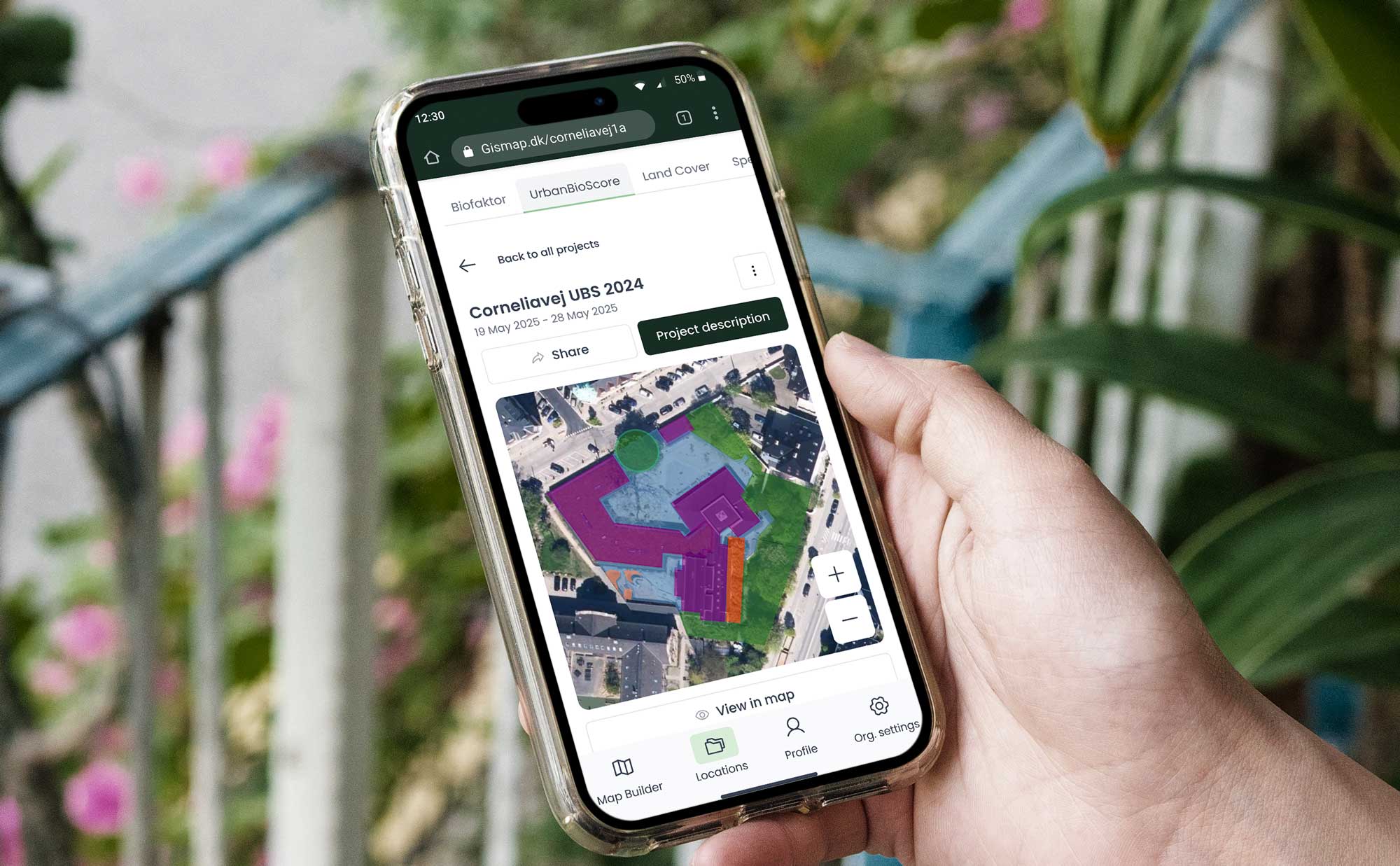
Gismap is an early-stage AI startup focused on analyzing aerial imagery and translating it into actionable insights about vegetation and land use.
When I joined, the core AI technology already existed, but the product was only accessible through a demo platform. The challenge was to turn a technically impressive model into a usable, credible, and sellable product.
- Complex data and domain knowledge
- Unclear target users
- Early-stage product with low design maturity
- Need to build trust as a startup
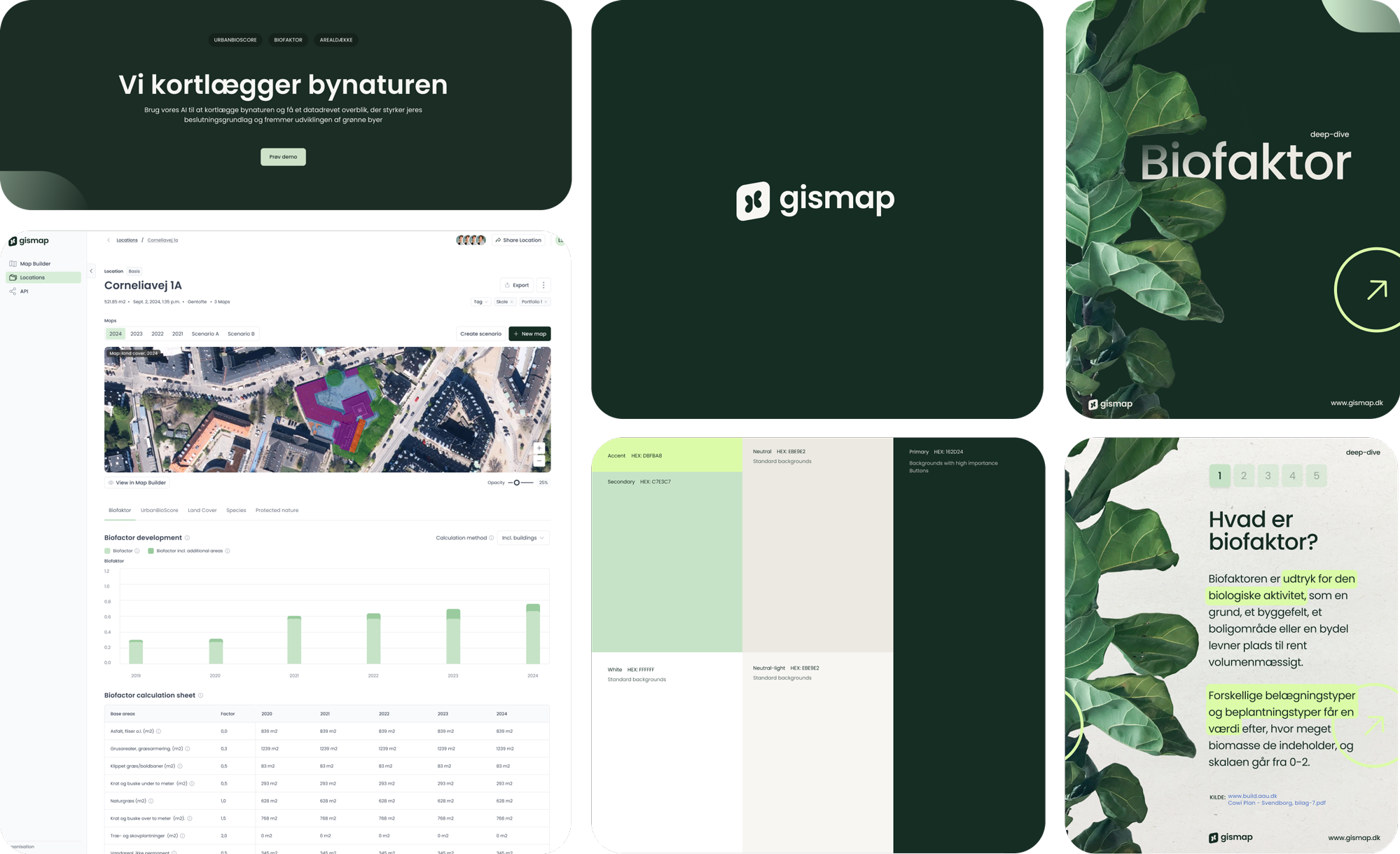
I joined Gismap initially as a project-based designer, creating the visual identity and marketing website. Shortly after, I was hired full-time and took on a broader role as Lead Product Designer.
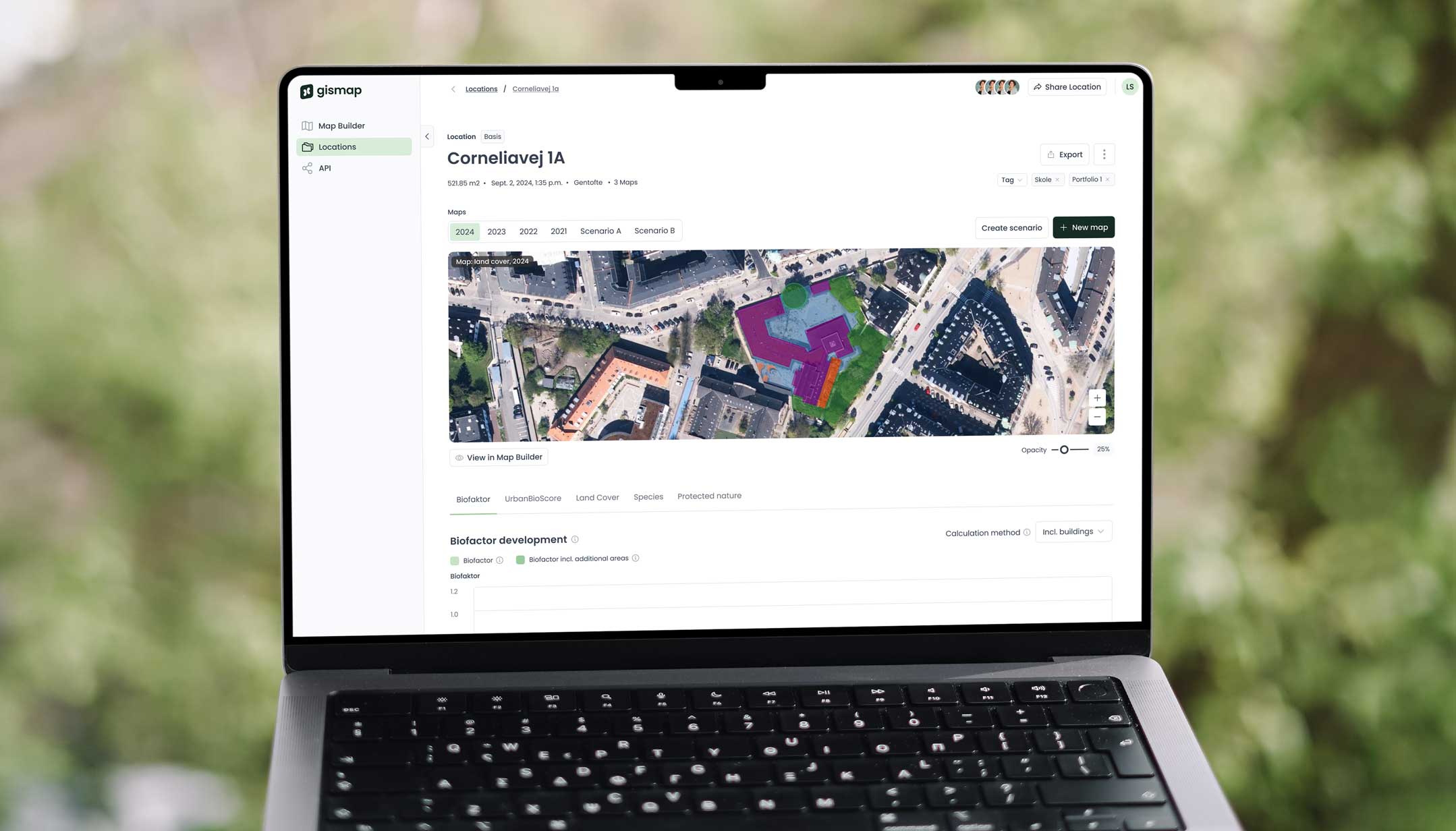
- UX & UI design of the platform
- Building and maintaining a design system
- User research & usability testing
- Product discovery with potential customers
- Close collaboration with developers, CTO, and CEO
- Acting as the bridge between design, tech, and business
- Creating and maintaining the visual identity
- Building the marketing website
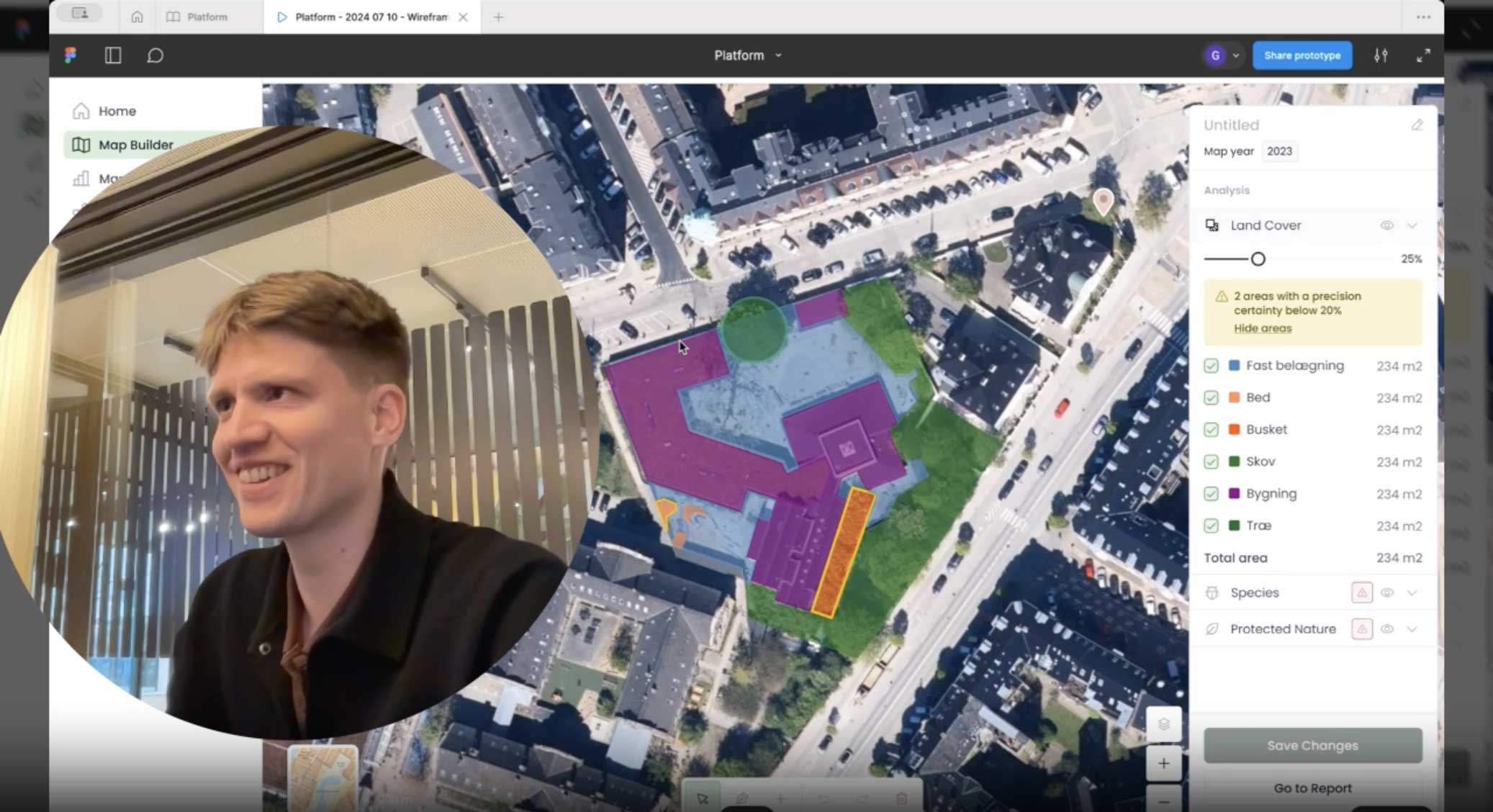
Early on, we focused heavily on understanding our users and validating whether the product solved real problems.
Together with the CEO, I conducted user interviews and usability tests with potential customers. These sessions often combined:
- Exploring company needs and workflows
- Testing interactive prototypes
- Validating feature ideas and assumptions
We set up structured development programs with a minimum of four companies, each involving around four meetings over time. This allowed us to observe how needs evolved and identify recurring pain points.
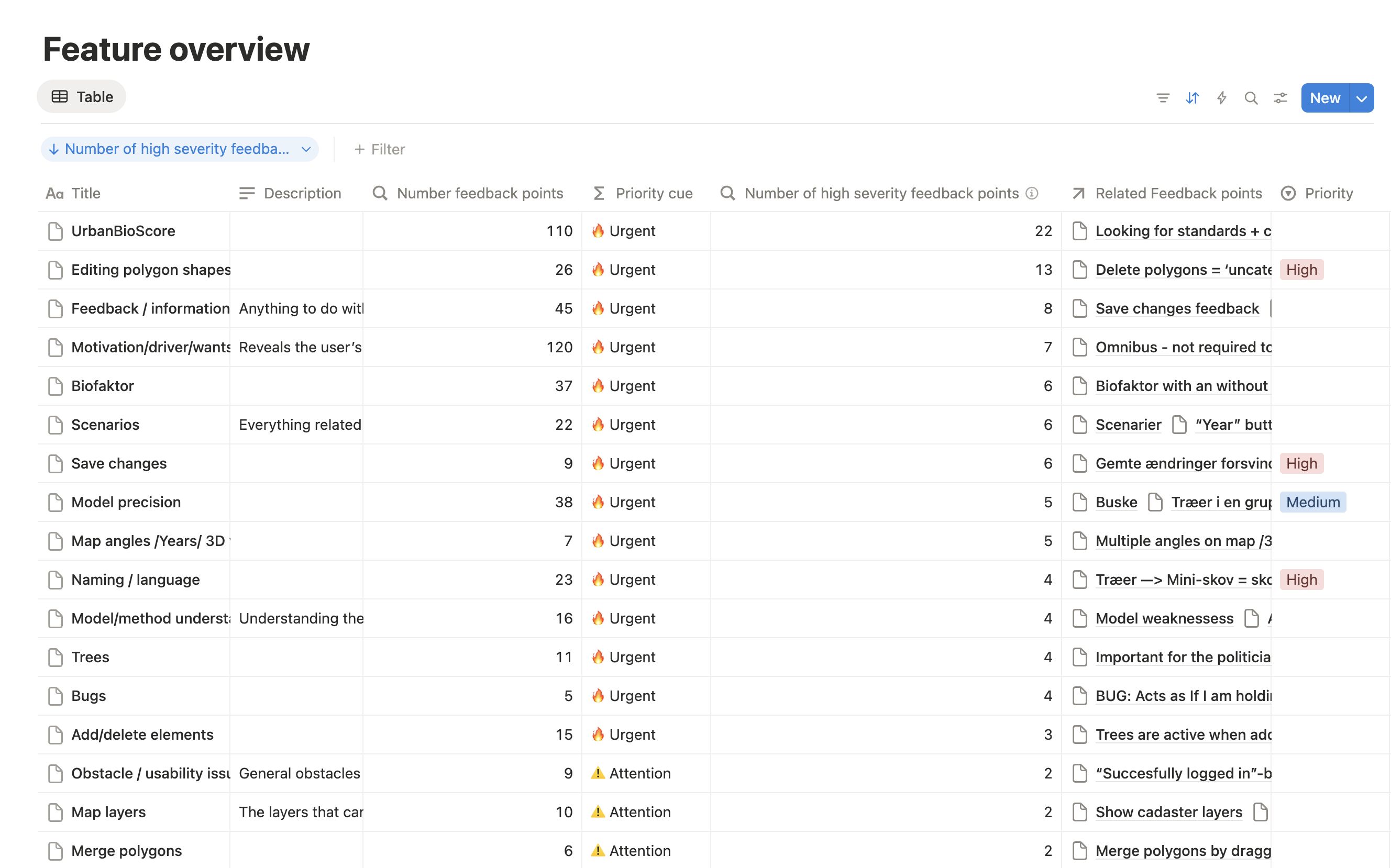
All feedback was systematically documented and categorized in Notion. This allowed me to track patterns across companies and identify which needs were most critical for adoption and willingness to pay.
Rather than reacting to individual opinions, we focused on recurring signals to guide product decisions.
I conducted the analysis so I didn’t have to reinvent the wheel and I could spend my time focusing on the areas I thought could be improved.
- Prioritized feature development
- Clearer understanding of value drivers
- Better alignment between design, development, and business goals
Initially, the product was positioned towards biodiversity reporting, driven by upcoming EU regulations. However, when political priorities shifted, this customer segment lost momentum.
Through continued dialogue with users, we discovered strong interest from a new segment: landscape gardeners and contractors. For them, the platform offered a way to quantify vegetation areas for planning, operations, and tenders.
This insight led to a shift in focus and feature prioritization, aligning the product with a more immediate and tangible use case.

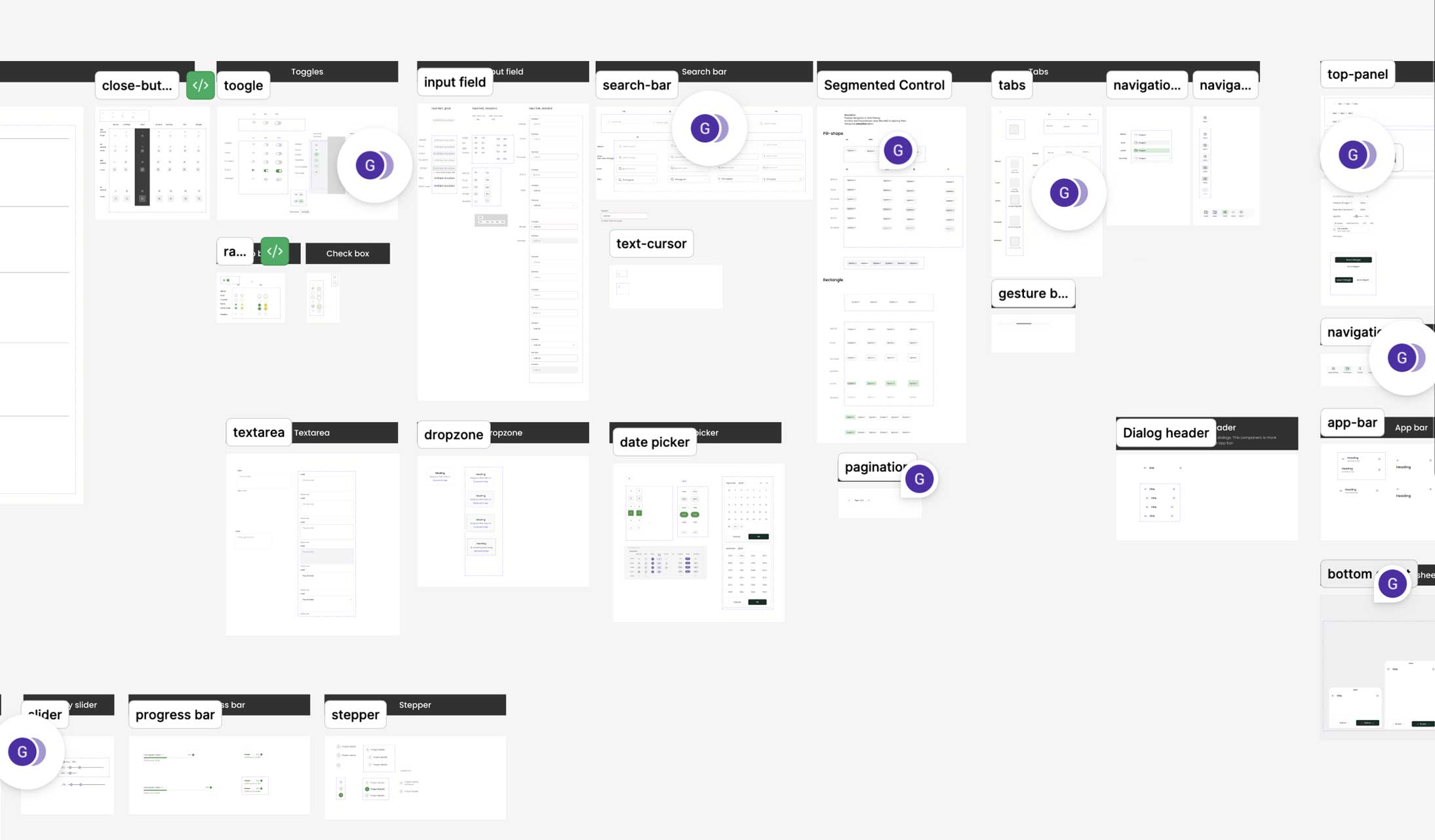
To support rapid iteration and maintain a professional, consistent interface, I designed a comprehensive design system in Figma. The goal was twofold:
- Enable fast prototyping for user testing
- Establish visual consistency and credibility as a startup product
I worked closely with an external developer to translate the design system into reusable React components. This created a shared language between design and development and significantly reduced friction in the build process
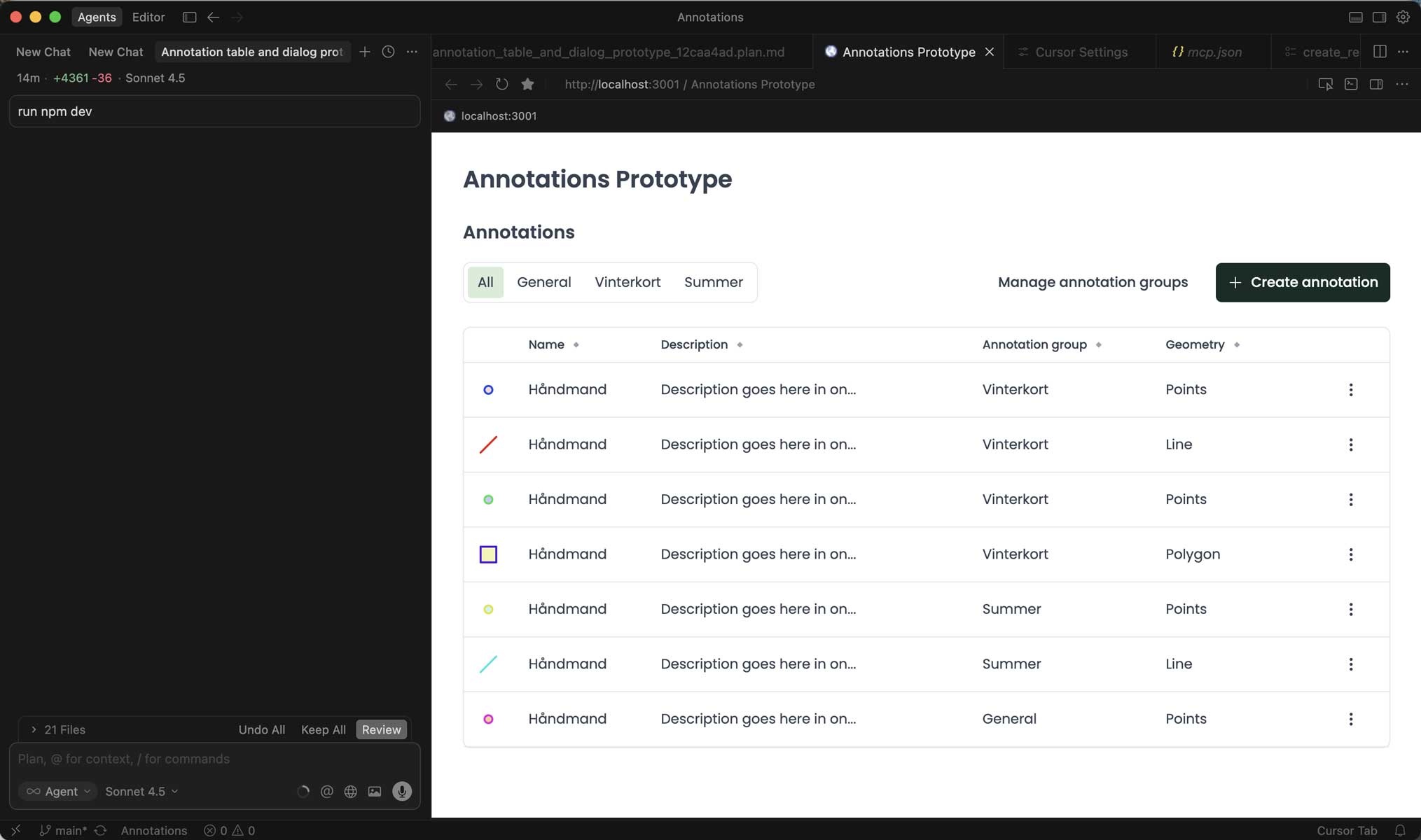
As the product matured, I started integrating AI-assisted workflows into the design and development process using Cursor together with Figma MCP.
Because the design system was built using Tailwind-based variables and tokens, Cursor was able to directly interpret and translate design decisions into frontend code.
- Design and prototype features in Figma
- Generate large parts of the frontend
- implementationMaintain visual consistency between design and code
- Reduce back-and-forth between design and development
The result was a faster feedback loop and a more seamless transition from concept to implementation — especially valuable in a small startup team with limited resources.
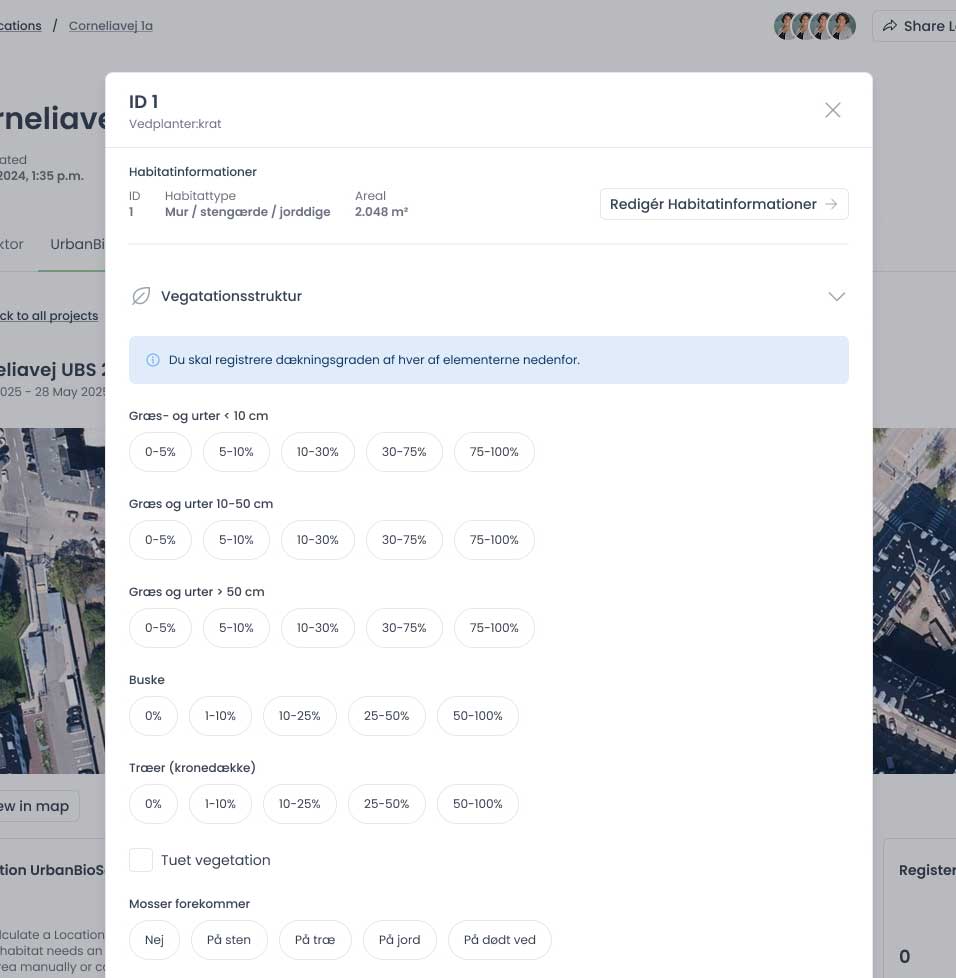
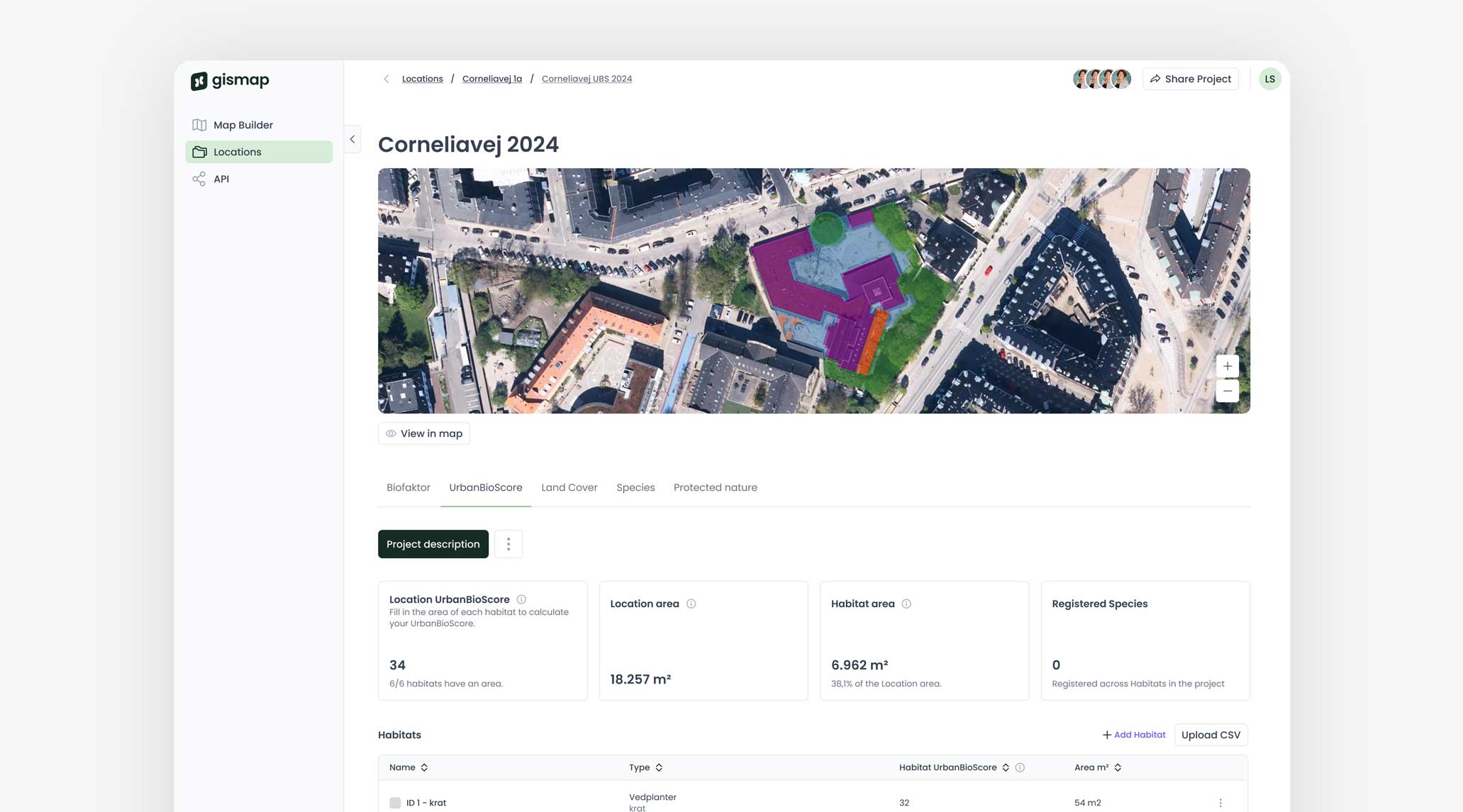
In the later phase, we worked on implementing UrbanBioScore — a feature originally built for another web application that was shut down and acquired by Gismap. This was a challenging but rewarding project involving:
- Understanding an existing product and logic
- Adapting it to a new platform and user base
- Close collaboration across design and development
Through tight collaboration and iterative problem-solving, we successfully integrated the feature before the end of the year.
In startups, it is essential to focus on getting the core product right through consistent feedback from potential clients. A narrow score will allow you to validate product-market fit.
Use templates and pre-made libraries to enhance the development speed of the core product.
This project strengthened my ability to work across disciplines in an early-stage environment — balancing user needs, technical constraints, and business goals.
- Long-term user relationships are invaluable for product discovery
- Design systems, template and libraries are critical for speed and alignment in small teams
- Clear communication between design and development is essential for complex products and meeting deadlines
Feel free to connect if you have a relevant UI/UX or Brand Design job opening.
